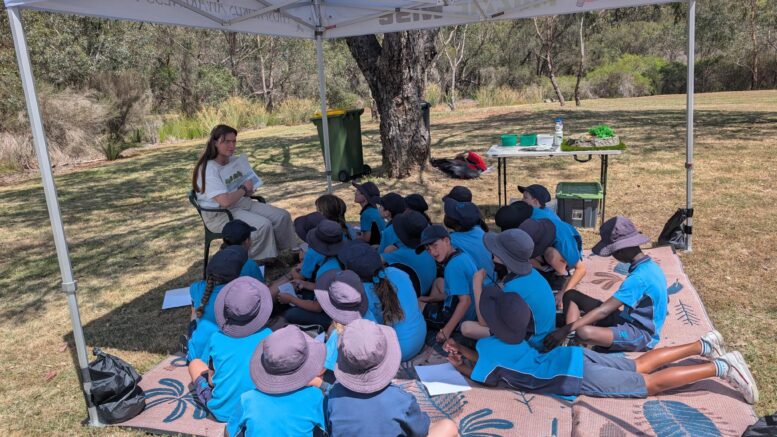
On a sunny Friday afternoon, three Year 3 classrooms embarked on an eye‑opening excursion to SERCUL (South East Regional Centre for Urban Landcare) in Beckenham, Western Australia. The trip was not only fun but also filled with fascinating lessons about science, history, and the environment.
One of the highlights was learning about algae and its role in our waterways. Students discovered how algae can be both helpful and harmful, depending on the balance of the ecosystem. They were intrigued to see real algae growing in the water and to understand how waste from our homes and streets can eventually end up in rivers and wetlands, affecting the health of these systems.
The SERCUL team provided microscopes for the children to examine microorganisms up close. For many, it was their first time seeing tiny living creatures that are invisible to the naked eye. The excitement was palpable as students realized how much life exists in even a single drop of water.
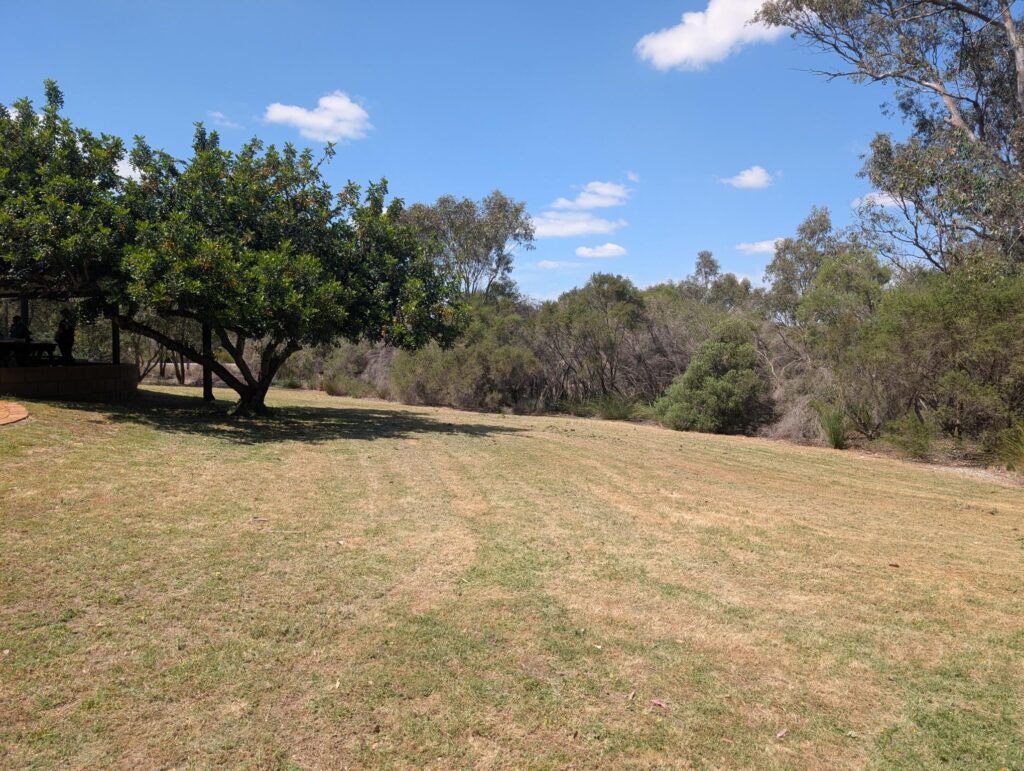
The excursion also included a walk through the bush to explore the local landscapes. Along the way, the group came across a scar tree, an important reminder of Aboriginal culture and history. Teachers explained how such trees were used by Aboriginal people for tools, canoes, and shelters, giving students a deeper appreciation of the land’s heritage.
As they wandered the trails, the children observed the diversity of plants and animals, connecting classroom lessons to the real world. The combination of science, culture, and nature made the day truly memorable.
By the end of the excursion, the students returned with new knowledge and a stronger sense of responsibility for caring for the environment. The trip to SERCUL showed them that every small action—whether reducing waste or respecting cultural landmarks—helps protect the world we share.