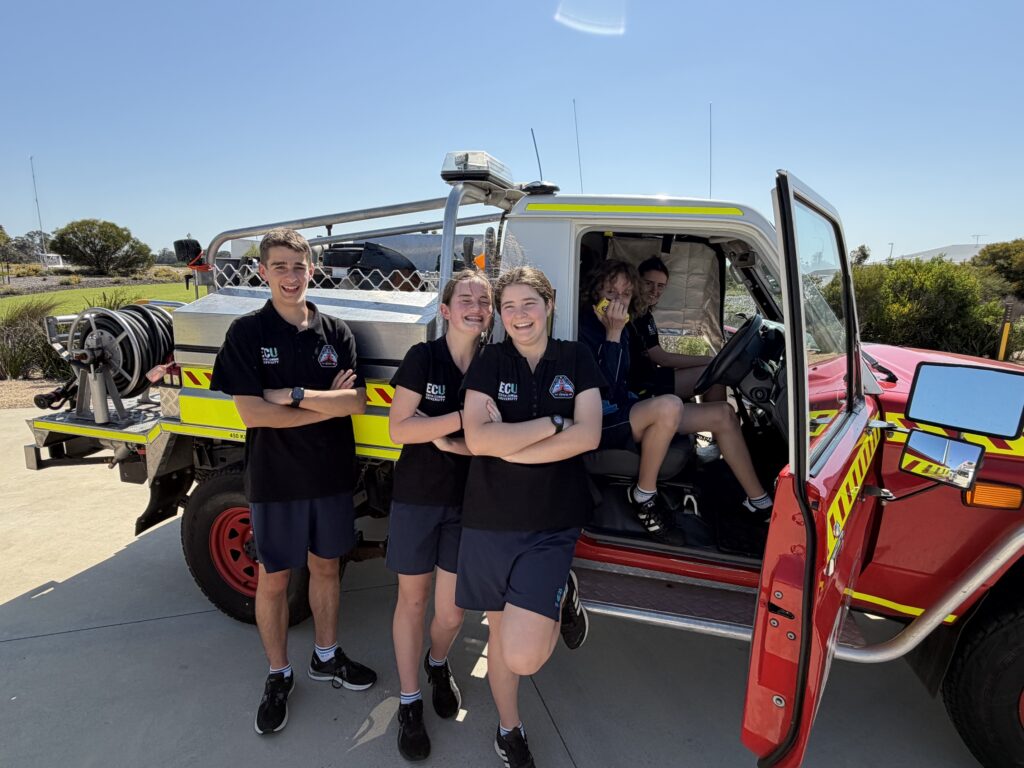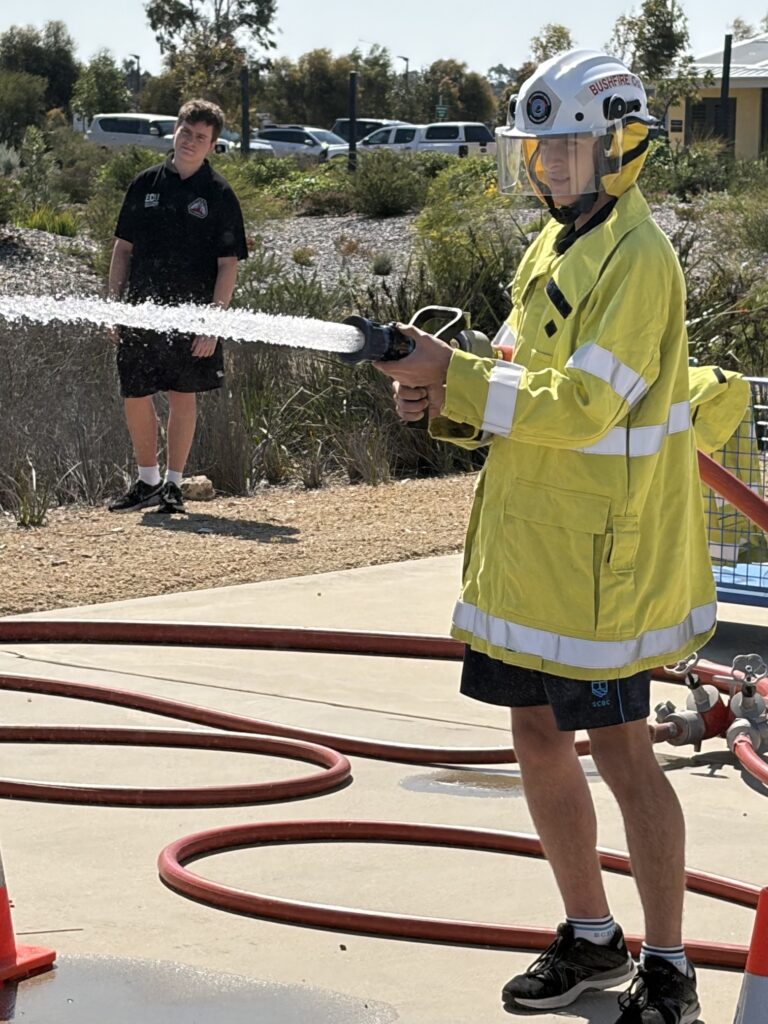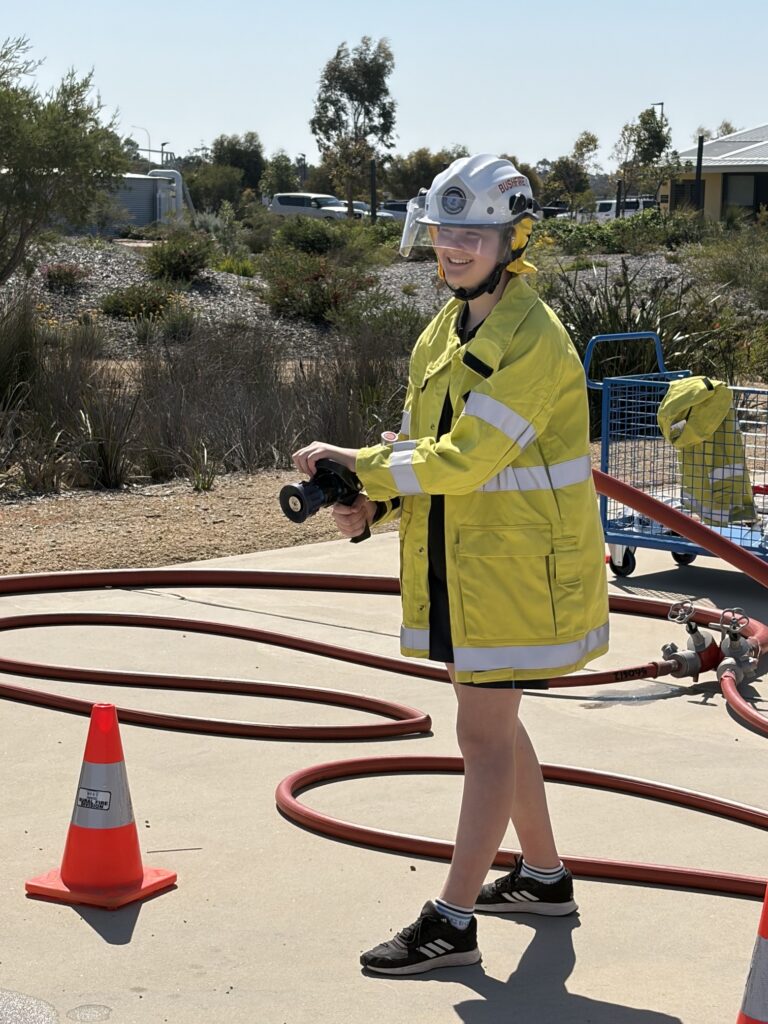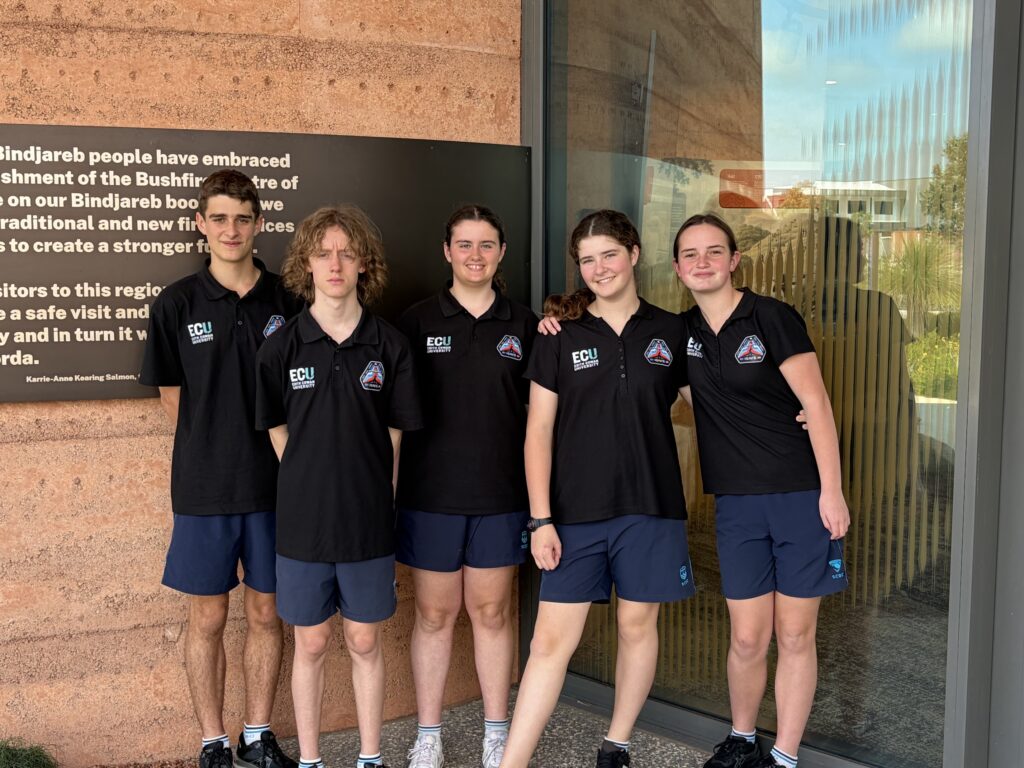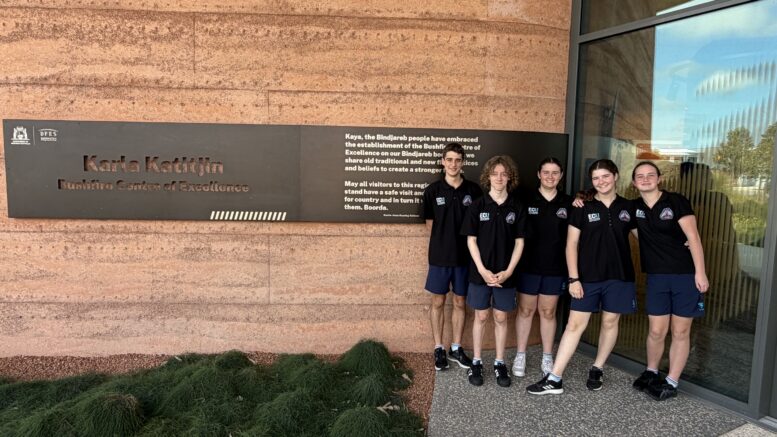
As part of their participation in ECU’s 2026 IGNIS Mission Student Interns Program, our GATE students visited the Karla Katitjin Bushfire Centre of Excellence to explore the real-world challenge at the heart of the IGNIS Mission.
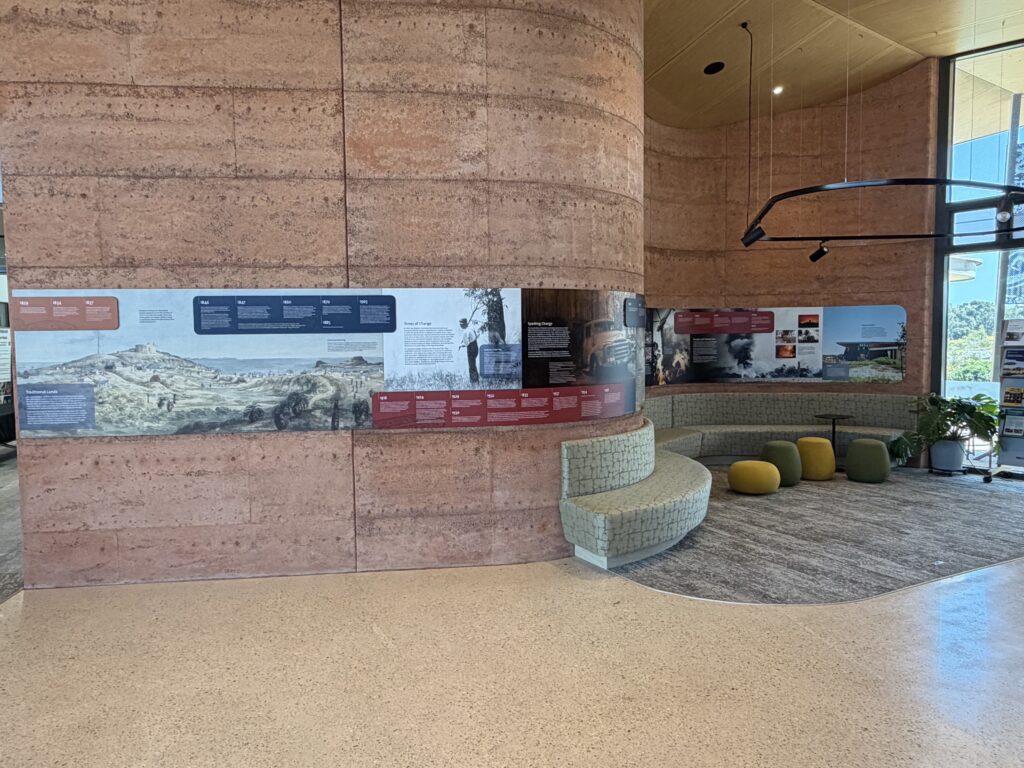

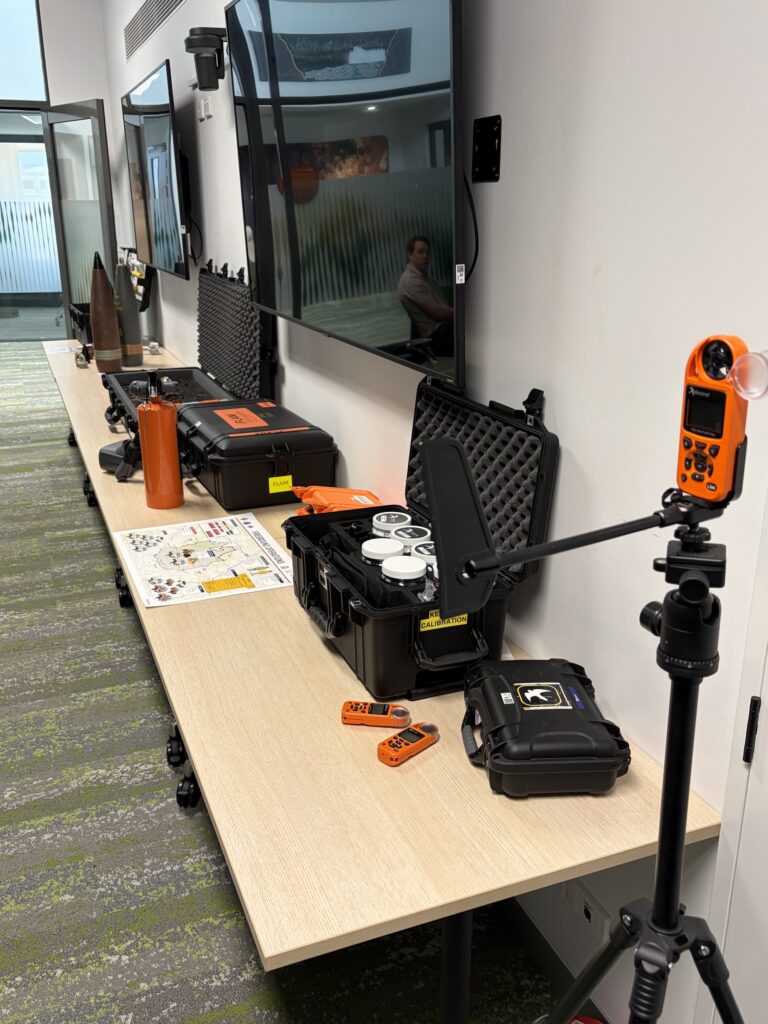

The IGNIS Mission brings together ECU, NASA and other Australian universities to investigate the relationship between lightning and bushfire ignition, using technologies including ground-based sensors, aircraft and satellite systems to improve the detection and prediction of bushfire risk.
The visit to Karla Katitjin gave students an opportunity to explore another side of this challenge — how bushfires are understood, managed and responded to here in Western Australia. Students rotated through five interactive sessions exploring fire science, cultural burning practices, bushfire research and emerging emergency response technologies.

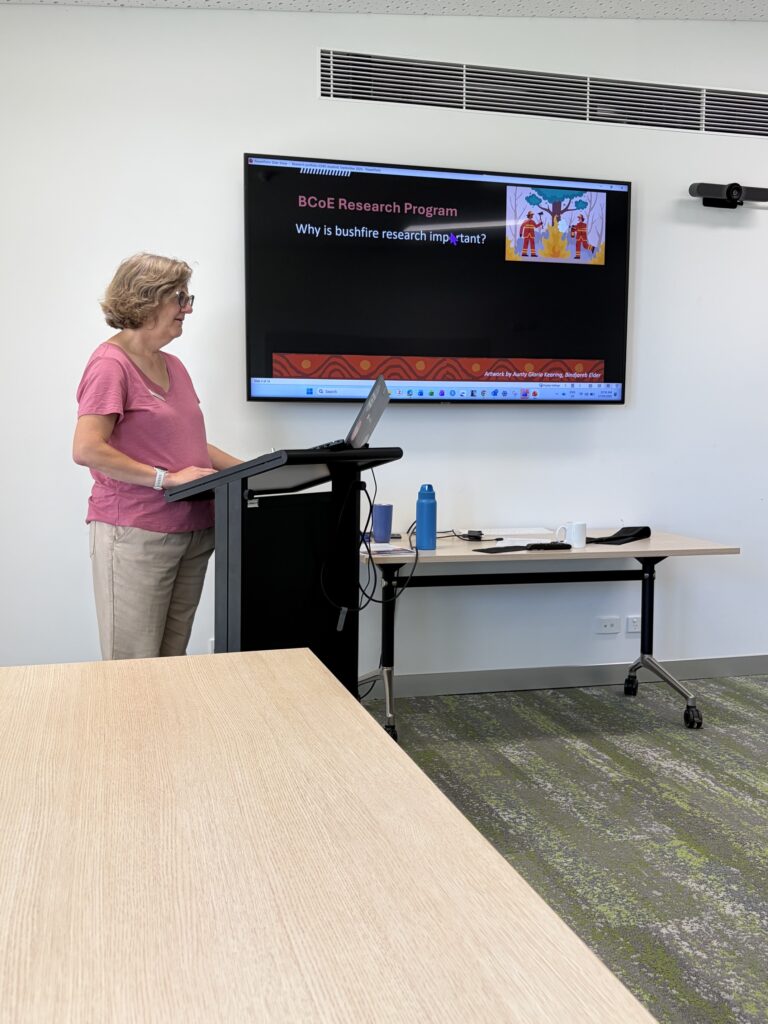

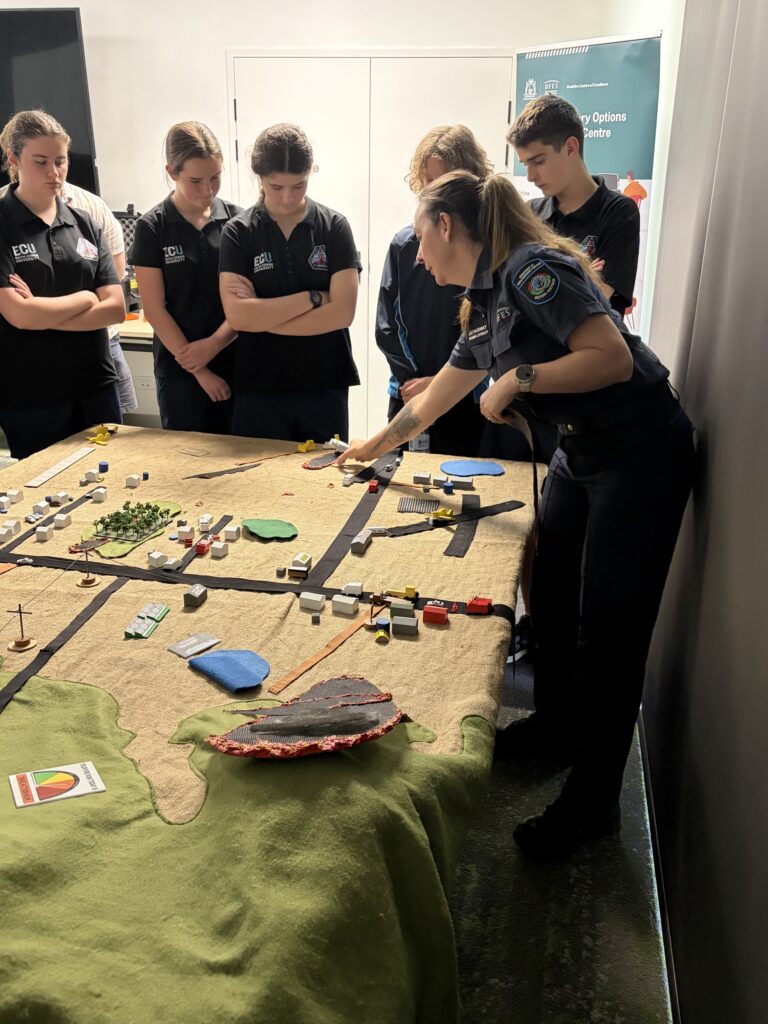
By connecting the aerospace and engineering research of IGNIS with practical bushfire management, students were able to see how STEM research can move from data and technology to real-world applications that help protect communities and Country. The excursion was a valuable extension of the IGNIS Mission, helping students see how scientific research, emerging technology and local knowledge can work together to address one of Australia’s most significant environmental challenges.